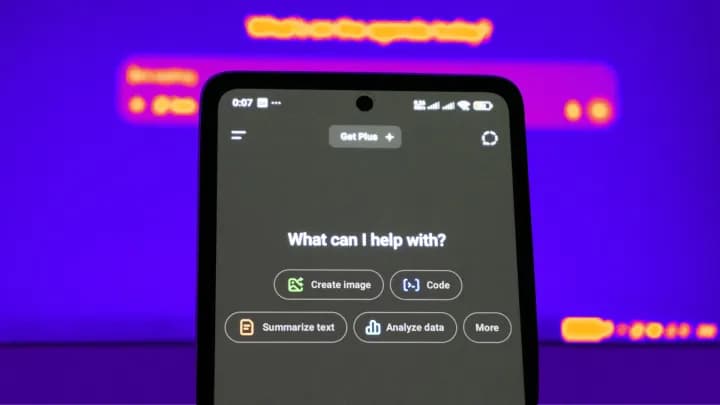
Connected toys: what precautions ensure that a child can have fun safely?
Connected or “smart” objects have gradually established themselves in the children’s toy market. Promising learning opportunities, cognitive stimulation, and personalized interactions, they nevertheless raise concerns. Several recent studies encourage better regulation of the use of these toys in order to limit potential risks for children.
December 11, 2025

Personal data: a key issue for children’s privacy
Educational robots, interactive dolls: every year, Christmas catalogues are full of playful innovations. Most smart toys operate using sensors, microphones, and sometimes cameras or geolocation systems. Some include generative AI features that allow them to hold conversations. They record the child’s voice, responses, play habits, and in some cases their surrounding environment.
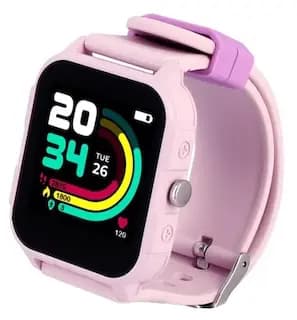
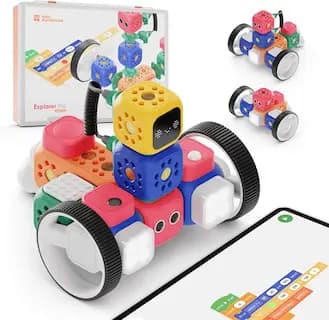
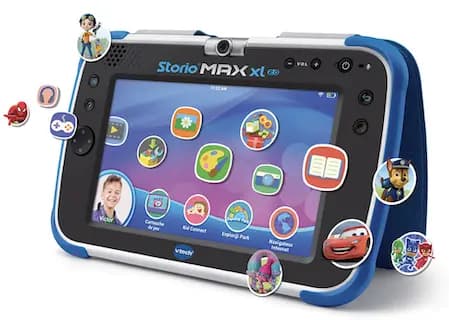
AI-powered toys listen to what is happening. It’s necessary for them to converse. But one of the toys we tested surprised our researchers by spontaneously intervening in a conversation that wasn’t addressed to it.
Source: Trouble in Toyland 2025 - PIRG
The Trouble in Toyland report from the American NGO Public Interest Research Group (PIRG), published in 2025, highlights that toy manufacturers store this data and use it to improve their services or algorithms. One of the challenges is transparency. Many parents do not know exactly what information is collected, how it is processed, or how long it is stored. Moreover, some data may be shared with commercial partners, raising concerns about children’s early exposure to targeted marketing.
These data may also fall into the hands of malicious hackers. An investigation by cybersecurity company Kaspersky showed that a robot toy could be hacked. Cybercriminals managed to activate its camera, listen to household conversations, and even contact the child directly via video call.
During the initial setup, parents are asked to connect the toy to a Wi-Fi network, link it to their mobile device, and then provide the child’s name and age. During this phase, Kaspersky experts discovered a concerning security flaw: the API responsible for requesting this information does not require authentication, the step that confirms who can access the resources of a private network.
Source: Vulnerabilities in a connected toy could allow cybercriminals to video-chat with children (2024) - Kaspersky
This situation highlights the importance of considering connected toys as genuine digital devices, subject to the same issues as smartphones or computers.
A potential impact on children's psychological development
Toys that integrate conversational assistants can perfectly imitate human interaction. The child can ask questions, receive encouragement, or listen to personalised stories. This relational dimension is one of their main selling points.
However, the National Academy of Medicine stresses the need to pay attention to the psychological effects of prolonged interactions. Some children may develop strong emotional attachment. They may perceive the toy as a real interlocutor, which can blur the line between human and artificial relationships. Specialists therefore insist on maintaining a balance between digital games, traditional toys, and genuine social interactions.
Parents must also supervise how long these toys are used. As with screens, excessive use may limit the time devoted to imagination and interactions with relatives, which play a fundamental role in emotional and social development.
AI-generated content that still shows flaws
The most recent connected toys use artificial intelligence models capable of producing spontaneous interactions. This technology opens new educational possibilities, but it can also deliver incorrect responses.
Toys are designed for children. But AI models aren’t.
Source: Trouble in Toyland 2025 - PIRG
For its report, PIRG tested several AI-powered toys. One of them, a connected teddy bear, was able to give inappropriate advice regarding dangerous household objects or raise topics unsuitable for young children. These situations are mainly due to configuration issues, but they show that safety filters still need improvement.
Moreover, some toys are designed to encourage regular use, through rewarding messages and repeated invitations to interact. Limiting their usage is therefore necessary to avoid any form of dependency.
Towards safer use of connected toys
In France, the National Commission on Informatics and Liberty (CNIL) and the Directorate-General for Competition, Consumer Affairs and Fraud Control (DGCCRF) raise awareness about the risks these toys may pose. Some simple actions can ensure greater safety for children.
To benefit from connected toys while limiting drawbacks, several good practices are recommended:
- Check where the toy comes from. The “CE” label certifies that the product complies with European regulations.
- Disable microphones or cameras when the toy is not in use.
- Turn off the toy when the child is not playing with it.
- Read privacy policies carefully.
- Perform recommended updates and change the password regularly.
- Supervise usage time.
- Monitor the child while they are playing.
Connected toys offer a wide range of entertainment for children. They can foster learning, curiosity, and personalised activities. However, their use currently requires a strict framework to best protect children’s privacy and mental health. Careful attention during purchase and increased supervision during playtime will help ensure safe and optimal use of these innovative toys.
References:
Public Interest Research Group
Trouble in Toyland 2025Kaspersky
Vulnerabilities in a connected toy could allow cybercriminals to video-chat with childrenNational Academy of Medicine
Connected toys and objects with conversational assistants threaten the mental health of children and adolescentsNational Commission on Informatics and Liberty
Geolocation of children: what are the privacy issues?Directorate-General for Competition, Consumer Affairs and Fraud Control
Connected objects: risks to be aware of