Online procedures: who can help you complete them?
What can you do when, due to a lack of equipment, limited digital skills, or stress related to using technology, online procedures turn into an obstacle course? Here is an overview of the organizations dedicated to supporting citizens in this area.
April 23, 2025

Since their introduction in 2009, online procedures have continued to expand and become more widely adopted.
67%
of adults living in France completed their procedures online in 2021, compared with 33% in 2011.
Source: Vie Publique
However, nearly one third of citizens have given up completing them in digital form. Several reasons explain this reluctance: Internet outages, the complexity of procedures, users’ feelings of inadequacy, lack of assistance, or simply not having access to a computer.
Which organizations can you turn to when you encounter everyday digital difficulties?
Public Service
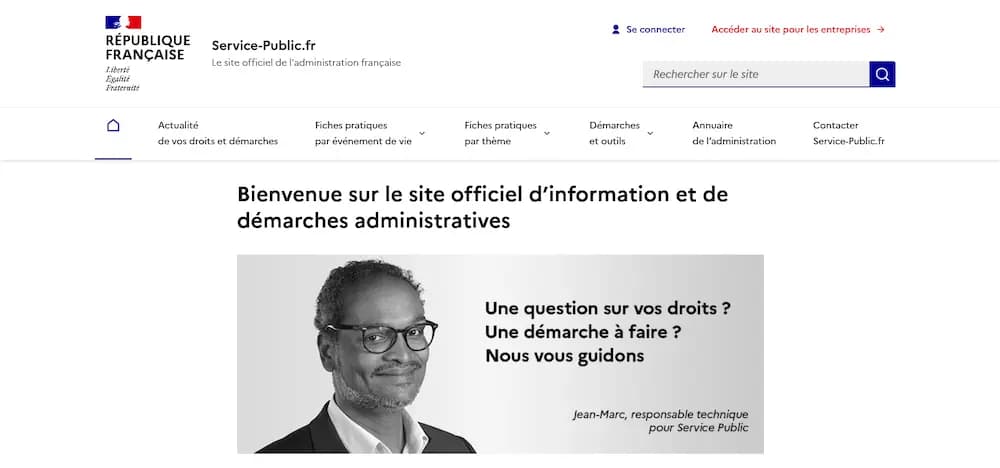
Designed to facilitate access to administrative procedures and related information, this official French government website lists numerous procedures and forms of assistance. Users are guided step by step to make the process easier, and if that is not enough, they can contact a representative (via the “Contact service-public.fr” section at the bottom of the page) for more direct support.
France Services
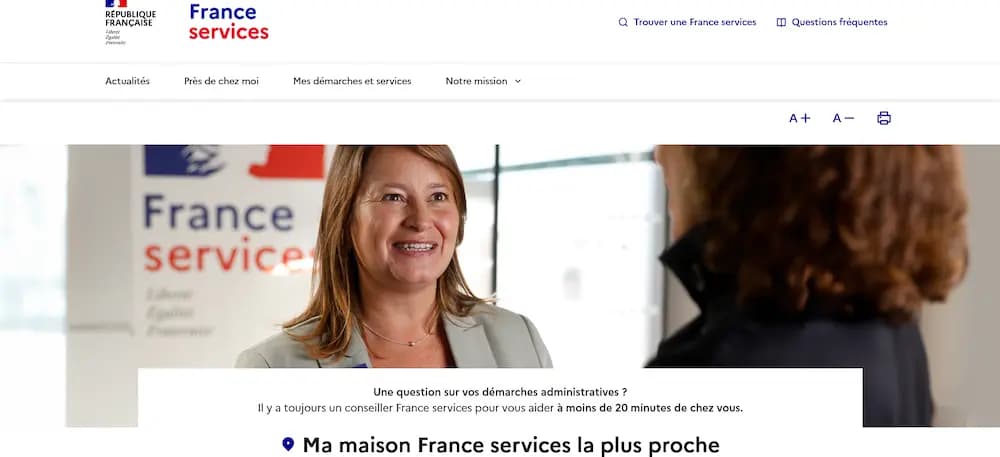
This website brings together a wide range of support services to help with all kinds of administrative procedures in a secure way. The scheme also makes it possible to get in touch with advisors if the steps to follow are unclear.
France Services Digital Advisors
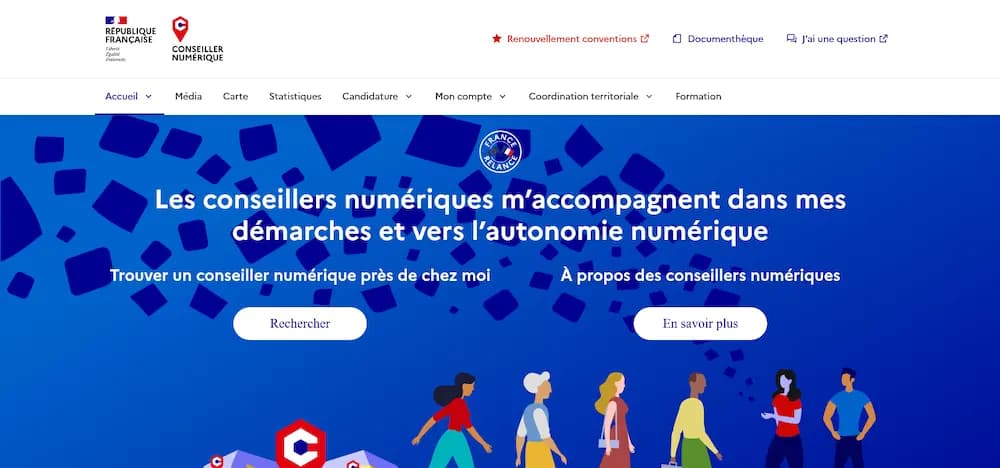
Since 2021, France Services digital advisors (now numbering 4,000) have been working across the country to support citizens with their procedures:
Less than 30 minutes from your home, France Services agents assist you in completing your procedures with 9 national operators: the Ministries of the Interior and Justice, the Tax Department (DGFIP), Pôle Emploi, the Family Allowance Fund (CAF), the National Health Insurance Fund (CNAM), the National Old-Age Insurance Fund (CNAV), the Agricultural Social Mutual Fund (MSA), and La Poste.
Source: conseiller-numerique.gouv.fr
Libraries and Media Libraries
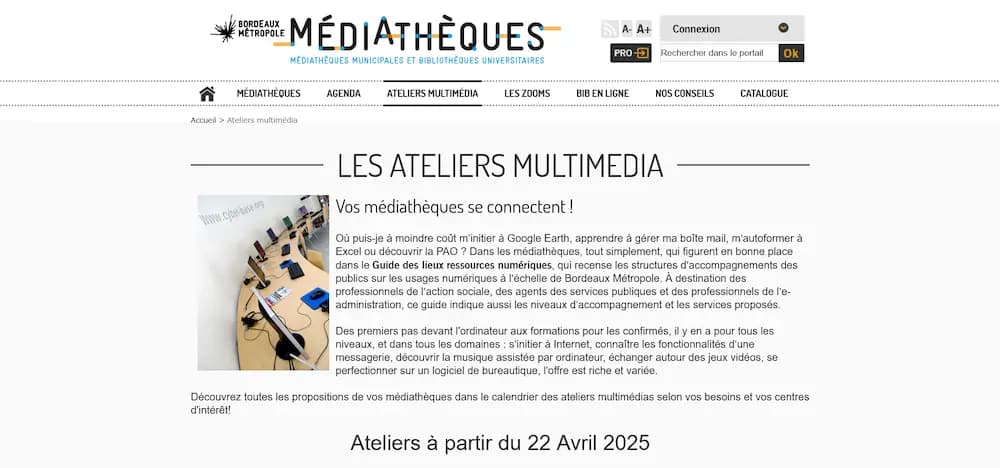
If the issue stems from a lack of Internet access or digital equipment, libraries and media libraries serve as resource centers, as they provide computers with open access. For those who face difficulties using digital tools and services, it is also possible to take part in dedicated workshops. While some of these institutions require an annual subscription to access all available tools, others are free of charge.
Non-Profit Organizations
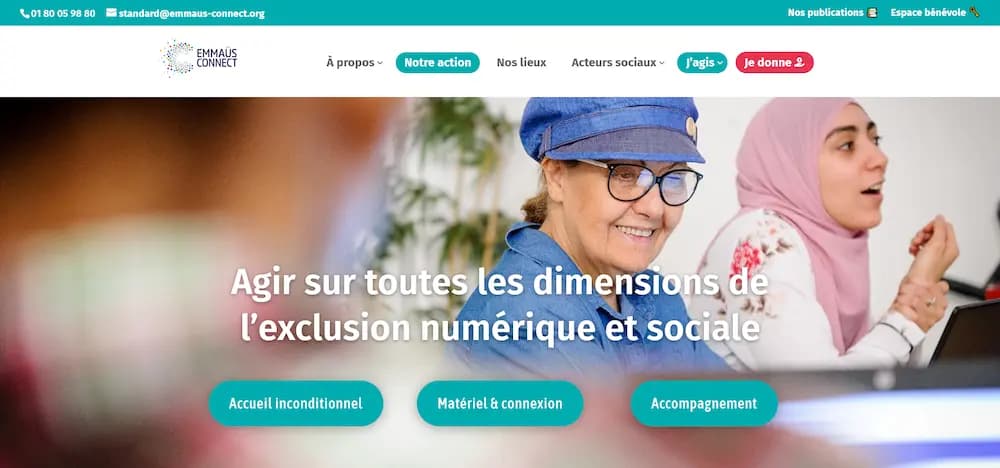
Many non-profit organizations offer support to users with their procedures. Volunteers provide assistance during weekly workshops and, if necessary, through one-on-one sessions.
France Travail
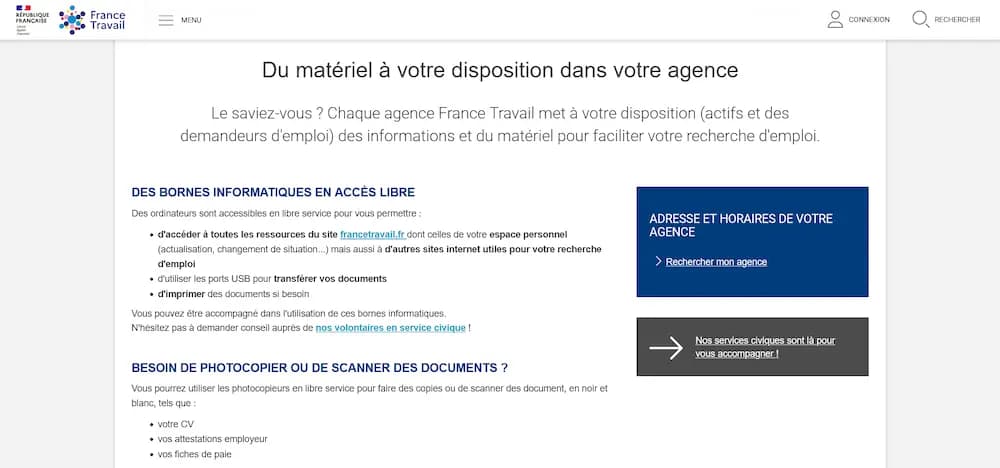
Focused on job-seeking procedures, France Travail welcomes users without an appointment in the morning and by appointment in the afternoon. At local agencies, anyone can access computers to complete their procedures, as well as staff members able to provide assistance. Digital equipment is made available free of charge, and it can be used without being registered with France Travail—except, of course, for procedures related to the agency itself (updating your France Travail status, estimating benefits and allowances, etc.).
Local Missions
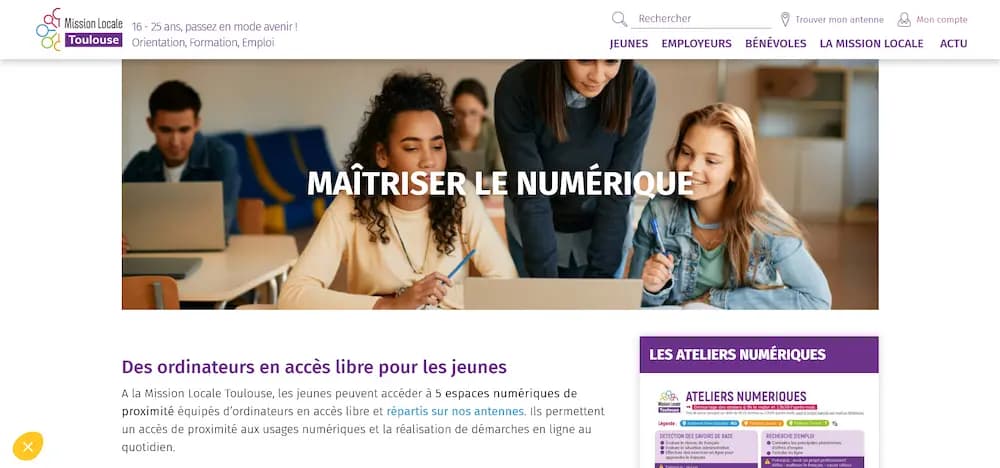
Dedicated to young people aged 16 to 25, this public employment service operates under regional authorities. It provides computers and advisors to help users with their procedures. Specialized in professional and social integration, the Local Mission welcomes the public on weekdays, with or without an appointment.
Social Workers
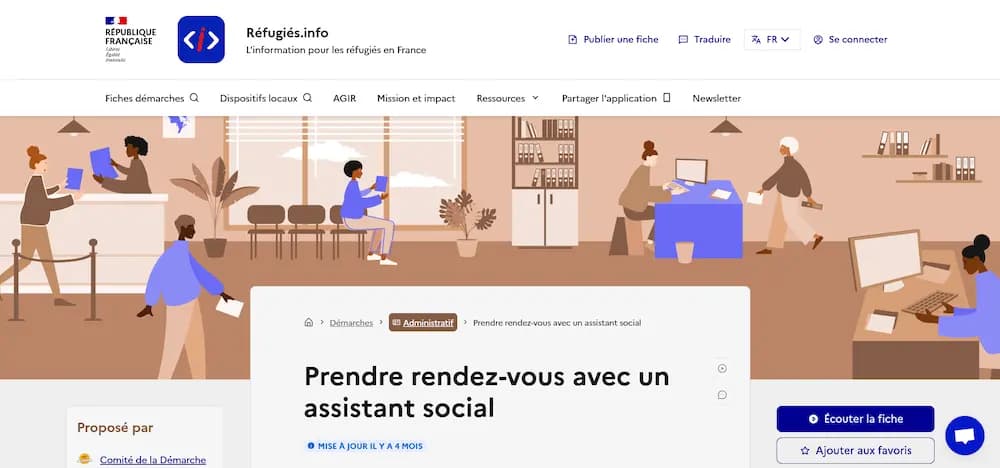
It is also possible to seek help from a professional to receive assistance or guidance with administrative formalities. To find a social worker, for example, you can visit your municipality’s CCAS (Communal Social Action Center). Depending on your situation, you may also schedule an appointment with a structure that meets a specific need. For instance, the Carsat (Retirement and Occupational Health Insurance Fund) offers meetings with a social worker in cases where illness complicates returning to work.
The digitization of many public and private services has sometimes come at the expense of certain users—either because they are not sufficiently equipped (computers or smartphones that are too expensive, unstable Internet connections, etc.), or because they face difficulties using digital tools and services (lack of familiarity, complex interfaces, etc.). For some citizens, completing procedures online then becomes an uphill battle.
To support them, public and private organizations have a moral obligation to provide “digital helpers,” ensuring that digital technology does not become a factor of exclusion.