Smartwatches: Health tracking risks when data overshadows body signals
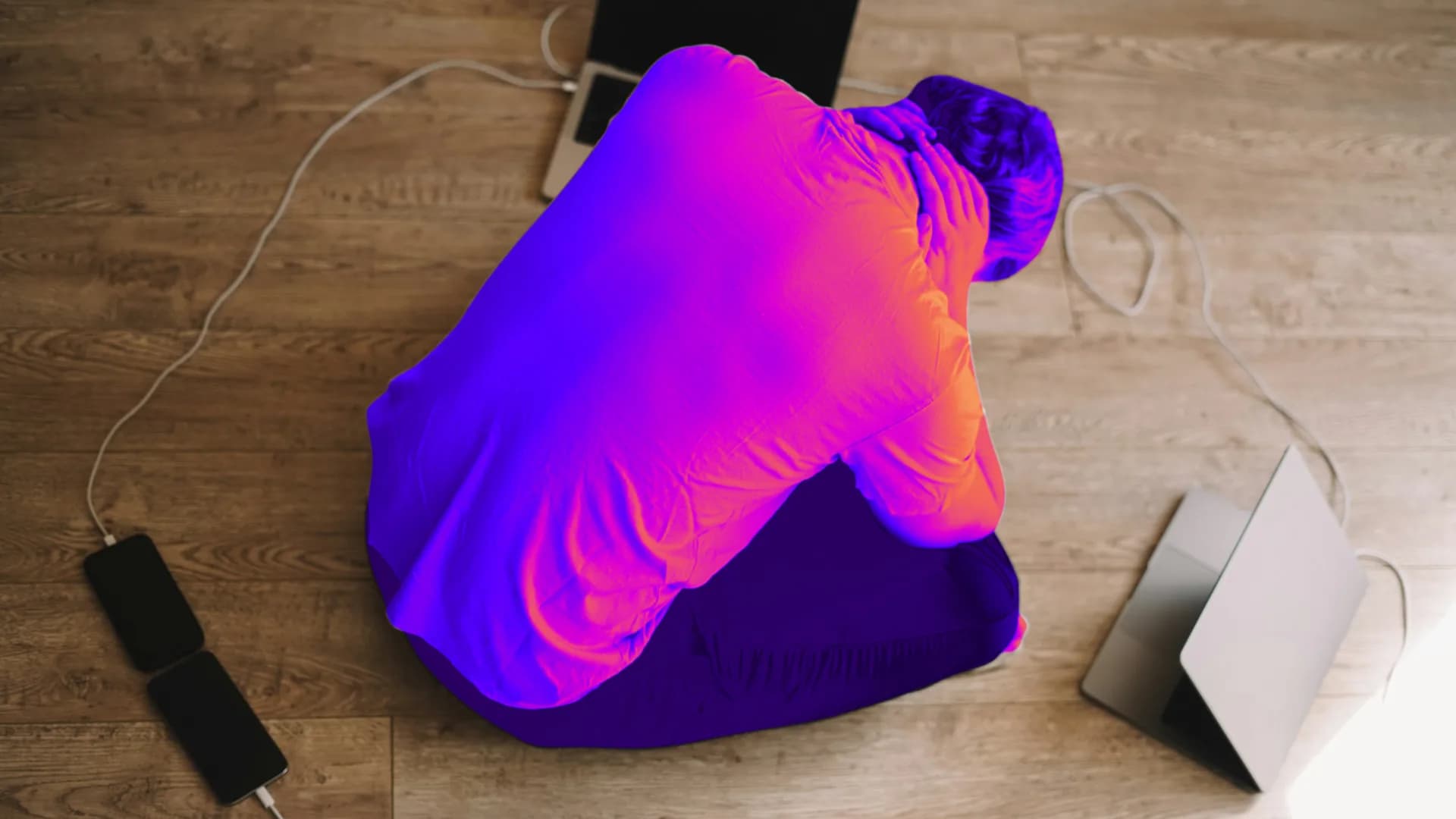
Smartwatches embody the promise of more personalized healthcare. But what happens when data takes precedence over how we actually feel? Caught between medical benefits and psychological risks, connected health highlights the paradoxes of a digital world that is transforming the way we relate to our bodies.
Par Lya Grelier
10 aout 2026
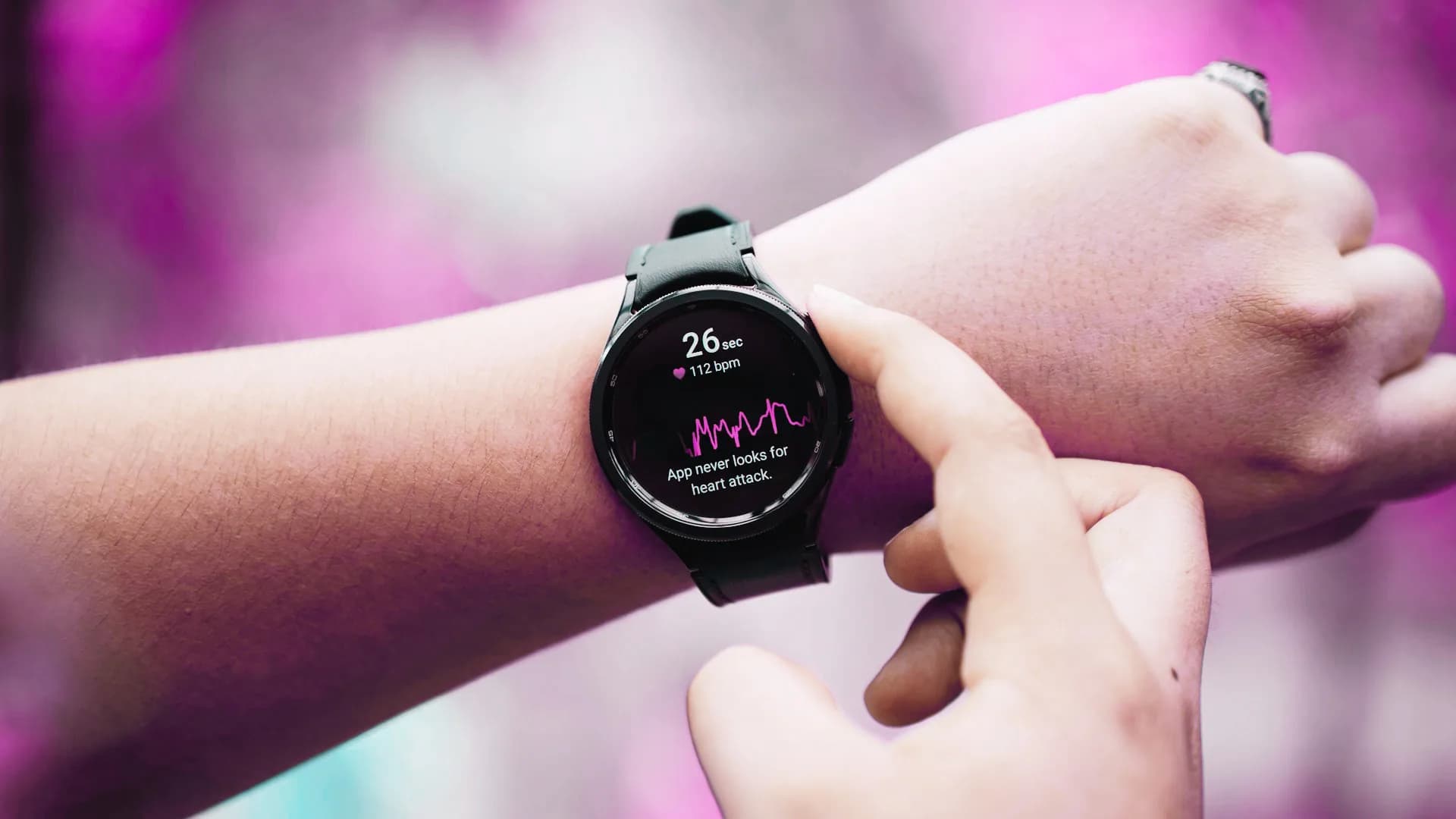
You bought a smartwatch to take better care of yourself by monitoring your heart, sleep, or stress levels. But since then… you check your pulse twenty times a day, jump at every notification, and even a slight increase in your heart rate is enough to ruin your evening. If this sounds familiar, you’re not alone: a study published in 2024 in the Journal of the American Heart, involving 172 cardiac patients followed over a period of nine months, found that 20% of smartwatch users developed intense anxiety in response to notifications from their watches, to the point of systematically contacting their doctor every time an alert appeared. The same study showed that smartwatch users were significantly more concerned about their symptoms and treatment than those who did not use one. It therefore seems that the more we feel we are in control, the more worried we become about the results we receive.
When Your Smartwatch Becomes a Source of Anxiety
One particular case, published in the Cardiovascular Digital Health Journal in 2020, illustrates this situation: that of a 70-year-old American woman who was being followed by a cardiologist for heart rhythm problems. Before purchasing her smartwatch, she had never experienced anxiety. Yet after a year of using her smartwatch every day, a psychologist diagnosed her with severe health anxiety directly linked to her use of the device.
The numbers are quite alarming: over the course of a year, the patient performed more than 900 electrocardiograms using her smartwatch—almost three a day. Every notification from the watch, even the most routine one, triggered another check. And when the results were unclear or difficult to interpret, anxiety would set in. This case neatly sums up the paradox of these devices: designed to monitor our health, they can, for some people, turn every heartbeat into a source of anxiety.
Why Does This Happen?
To understand this anxiety, we first need to understand what a smartwatch actually measures. A study published in 2025 in the Journal of Psychopathology and Clinical Science found very little correlation between the level of stress indicated by a smartwatch and the stress actually experienced by users. In reality, these devices do not measure emotions or psychological stress; they only measure certain physiological responses in the body, such as heart rate or heart rate variability. As a result, a workout or even a brisk walk can trigger an alert on the watch without there being any actual health problem.
But the problem goes much deeper. More broadly, health psychology specialists have observed that continuous body monitoring can gradually erode our natural sense of our own bodies: users eventually stop trusting their own sensations and rely exclusively on the numbers. For example, a user who, without their smartwatch, would have felt that they had slept well may instead feel tired because their watch tells them that their sleep score is average or poor.
A pattern then begins to emerge: a notification arrives, worry sets in, you check, you don’t always understand the result, and the anxiety grows. This kind of behavior creates a vicious cycle in which constant checking only serves to intensify anxiety. This phenomenon has even been given a name in the medical literature: digital hypochondria—a modern form of health anxiety directly fueled by monitoring technologies such as smartwatches.
What do doctors recommend?
Faced with these findings, certain specialists suggest strategies to use a connected watch while avoiding letting anxiety take root.
1. Do not use your watch without training or explanation
The first recommendation focuses on educating patients: studies show that those who received in-depth training (accompanied by doctors, for example) on using and interpreting their watch data did not develop additional anxiety, unlike those left to their own devices. Consulting your data with a doctor can significantly change how you perceive it.
2. Disable unnecessary notifications
Health professionals recommend disabling unnecessary notifications (such as reminders to move or sleep scores) and setting specific hours for checking data, rather than constantly reviewing them. The watch should be a tool to enhance users' lives, not a technological nuisance.
3. Seek mental health professional support if needed
In serious cases, psychological care may be necessary. Doctors often use Cognitive Behavioral Therapy (CBT), recognized for its effectiveness in treating anxiety disorders: this approach helps patients identify and modify automatic negative thoughts that fuel anxiety. Researchers such as Lucero Huaroto, Lenis Wong, and Vanessa Alvarado have proposed since 2022 combining CBT directly with connected watch physiological monitoring to transform the device into a therapeutic tool rather than a stress source, with promising results.
Should one get rid of their smartwatch?
Opinions are divided. Some doctors prefer to rely on the body’s natural signals, while others see smartwatches as genuine advances that can sometimes help detect health problems in users. In any case, it is important to take a step back and maintain perspective when interpreting the results provided by these devices.
Références :
1 - Journal of the American Heart Association
Wearable Devices, Health Care Use, and Psychological Well‐Being in Patients With Atrial Fibrillation2 - National Library of Medicine
When smartwatches contribute to health anxiety in patients with atrial fibrillation3 - National Library of Medicine
Self-reported efficacy in patient-physician interaction in relation to anxiety, patient activation, and health-related quality of life among stroke survivors4 - National Geographic
Montres et bagues connectées : quand la technologie nous rend anxieux5 - Gizmodo
New Study Finds Smartwatches Aren’t That Good at Measuring Stress6 - Psychology Today
How Wearable Technology Can Worsen Health Anxiety7 - ResearchGate
Mobile Application for Anxiety and Cardiovascular Depression Monitoring Using a Smartwatch Based on Cognitive Behavioral Therapy